
Pelvic Floor Therapy for Pelvic Pain & Intimacy Concerns in Sunrise, FL
Be heard. Understand your options. Move forward at your own pace.
Pelvic pain can affect more than one part of your day. It may change how you sit, move, exercise, or experience intimacy. It can also be difficult to describe, especially if previous conversations have left you feeling dismissed.
At Pelvic Wellness Institute, we make space for your experience. We listen without judgment, discuss your goals, and explain assessment and treatment options before moving forward.
You do not need to push through discomfort or agree to an internal exam to begin care.
Care That Starts With Your Experience
You do not need perfect words for what you are feeling. Tell us where you notice discomfort, what makes activities difficult, and what you want to return to doing. We use that information, your relevant health history, and an assessment guided by your consent to discuss a personalized plan.
We provide care for concerns including:
Pelvic pain
Pain with intercourse or penetration
Discomfort that affects intimacy
Endometriosis-related pelvic symptoms
Difficulty relaxing or coordinating the pelvic floor
If your concerns need additional medical evaluation, we will discuss that with you.
Pelvic Pain Is Personal. Your Treatment Should Be Too.
We do not assume every pain experience has the same cause or requires the same technique.
Depending on your assessment, care may include hands-on treatment, relaxation and coordination practice, therapeutic exercise, movement strategies, and education.
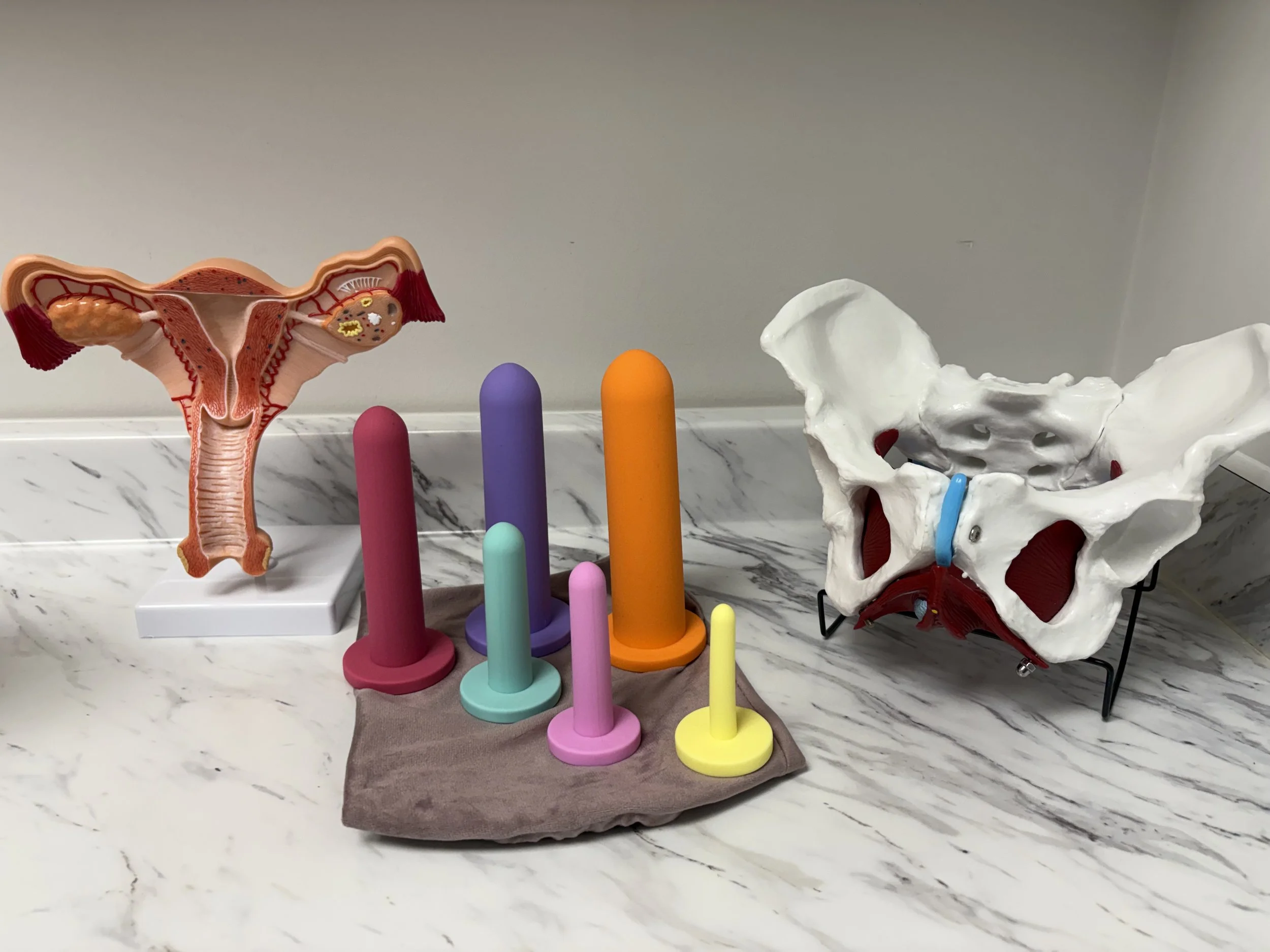
When appropriate, we may also discuss tools such as biofeedback, dilators, or pelvic wands. These are options within a broader plan, not requirements for receiving care.
Support for Painful Intimacy
Your goals for intimacy are yours to define. We provide a respectful setting to discuss discomfort and explore relevant physical therapy options. You can ask questions, set boundaries, and choose which approaches you are comfortable considering. Treatment is not about meeting someone else’s expectations. It is about supporting your comfort, function, and priorities.
Dyspareunia
Dyspareunia is the medical term for painful intercourse. Pain may occur near the vaginal opening or feel deeper in the pelvis. There are several possible causes, so understanding your symptoms and seeking appropriate medical evaluation is an important part of finding the right care.
At Pelvic Wellness Institute, we assess whether pelvic floor tenderness, muscle tension, or coordination difficulties may be contributing to your discomfort. When appropriate, your plan may include gentle hands-on care, relaxation and movement practice, or guidance with specialized tools, such as pelvic wands or dilators, depending on your evaluation.
Your goals guide treatment, whether that means more comfortable intimacy, greater confidence, or a better understanding of your body. You never need to push through pain to make progress in your care.
Vaginismus
Vaginismus involves involuntary tightening of the muscles around the vaginal opening. This response can make intercourse, tampon insertion, or pelvic examinations painful, difficult, or sometimes not possible. It is not something you are choosing or a sign that you are failing to relax.
We provide a supportive setting to explore pelvic floor awareness, relaxation, and coordination. Depending on your needs and preferences, care may include breathing strategies, biofeedback, gentle hands-on techniques, or gradual dilator instruction as part of a broader treatment plan.
We explain each recommendation, welcome your questions, and work at a pace guided by your consent.
Endometriosis-Related Pelvic Concerns
If you have endometriosis, physical therapy may be considered as part of your care plan to manage symptoms. We will focus on relevant pelvic floor and movement concerns identified during your assessment. Read more about endometriosis here.
Pudendal Neuralgia
Burning, shooting, or tingling pain around the genitals, perineum, or anus can occur with pudendal neuralgia. These symptoms deserve a thorough assessment. At Pelvic Wellness Institute, we assess relevant muscle function, movement, and activities that may be contributing to your discomfort. When appropriate, your plan may include gentle hands-on care, relaxation and coordination practice, and practical changes to how you position yourself or move.
Vulvodynia & Vestibulodynia
Burning, soreness, or pain around the vulva can affect clothing choices, sitting, intimacy, and daily comfort. Vulvodynia describes vulvar pain lasting at least three months without a clearly identifiable cause; vestibulodynia refers to pain localized around the vaginal entrance. Symptoms may occur with touch or without an obvious trigger.
We assess whether pelvic floor tenderness, muscle guarding, or coordination difficulties may be contributing. Your plan may include gentle muscle retraining, sensitivity-management strategies, and hands-on care when appropriate, all guided by your comfort and consent.
Pelvic rehabilitation can complement gynecologic care and may warrant a referral to investigate other causes, including infections and skin conditions.
Pelvic Floor Muscle Pain & Overactivity
Pelvic floor muscles can become tender, overactive, or difficult to relax. For some people, this contributes to pelvic aching, discomfort with intimacy, or difficulty coordinating bladder and bowel function. More strengthening is not automatically the right approach.
We assess how your muscles contract, release, and work with your breathing and movement. Our goal is to help you understand your symptoms and practice skills that support more comfortable daily living.
Interstitial Cystitis / Bladder Pain Syndrome
Interstitial cystitis (IC), also called bladder pain syndrome, can cause bladder or pelvic discomfort, urinary urgency, and frequent urination. Symptoms may feel like a urinary tract infection, however lab tests come back negative. With this conditions, painful sensations fluctuate and some people notice pain that increases as the bladder fills or discomfort during intimacy.
At Pelvic Wellness Institute, we assess whether pelvic floor tenderness, muscle tension, or difficulty relaxing may be contributing to your symptoms. Our goal is to help you better understand your symptoms and feel more comfortable.
Tailbone Pain
Tailbone pain, also called coccydynia, may be addressed within pelvic health rehabilitation when relevant musculoskeletal or pelvic floor factors are present. We assess your pain, when occurs and how it affects activities such as sitting, getting up, or exercising. This allows us to establish a care plan that may include individualized exercise or hands-on care when appropriate.
Not Sure What Is Causing Your Pelvic Pain?
You do not need to diagnose yourself before reaching out. Start with a conversation about your symptoms, assessment options, and whether pelvic floor physical therapy is an appropriate next step.
Your Consent Guides Every Step
Before an assessment or treatment technique, we explain what it involves and why it is being considered.
You can:
Ask for more information
Decline a technique
Request an alternative
Pause or stop at any time
Frequently Asked Questions
-
You do not need to identify the cause of your pain yourself. An evaluation can help us discuss whether physical therapy is appropriate and whether additional medical assessment is needed.
-
Not necessarily. We begin with a conversation and explain your assessment options. Nothing proceeds without your consent.
-
That is welcome here, too. You can share at a pace that feels manageable and tell us what would help you feel more comfortable.